Wednesday, October 22, 2014

Take another look... down?

Take another look… down!

There's something you don't often hear! Yes, down... at your flooring! We've seen some fabulous ideas for flooring that we have to share. You can do these yourself with a little time and very little money! At the end of your project you will have some of the most interesting flooring in the neighborhood. Check out these great ideas! 

Before you change your floor...
Make sure you study the proper steps of preparation for the specific type of floor you want. The better prepared for the journey they easier it will be! Here are a few things you should always do: 
  • Clean the floor of debris - many times under carpet you may find nails, tacks or glue that will need to scraped off.
  • If you're painting wood floors, fill in any cracks or holes with a wood glue and then sand those places. Sometimes this can be done lightly - sometimes you may need a little more, depending on the finish you want and the floor you've got!
  • Clean the floor one more good time to remove dust.
  • If you're painting, you'll most likely want to prime the surface using an extension roller, starting at the furthermost corner from the door or entryway. If you're laying tile or some other method of floor covering, you'll be ready to go.
  • Whatever you do, make sure that you seal your floor when you've got it the way you want it! You'll want your beautiful new floor to last for a long time!

Ready? Here are just a few of the waaay cool flooring ideas we've found!

This is a painted sub-floor! Who knew it could look so grand?


As long as your subfloor is solid, it can be painted. Again, if you're pulling up old carpet, you'll need to clear the floor of debris - tacks, nails or other debris left behind by builders. Once you do that, you can fill in any cracks with wood glue and sand. Clean it again and cover with primer. Once it's dry, the sky is the limit! If you'd like a patterned floor, many patterns can be downloaded via the internet. Make sure that you use a paint with a sealer, or you will need to seal the paint when it's dry. You may need to add a shoe-molding or other little touches to get the finish you want! Voila! You've got floor to be envied! Use a stencil, a pattern or a colored paint - let your imagination run wild!


How about stained plywood floor? Hard to believe this is actually plywood!


Plywood can be purchased fairly inexpensively, especially when bought in bulk. Simply cut the the plywood into strips of your desired length and width, attach them to the subfloor with your preferred method. You should lightly sand and clean the floor. Then you're ready to stain or paint and seal.


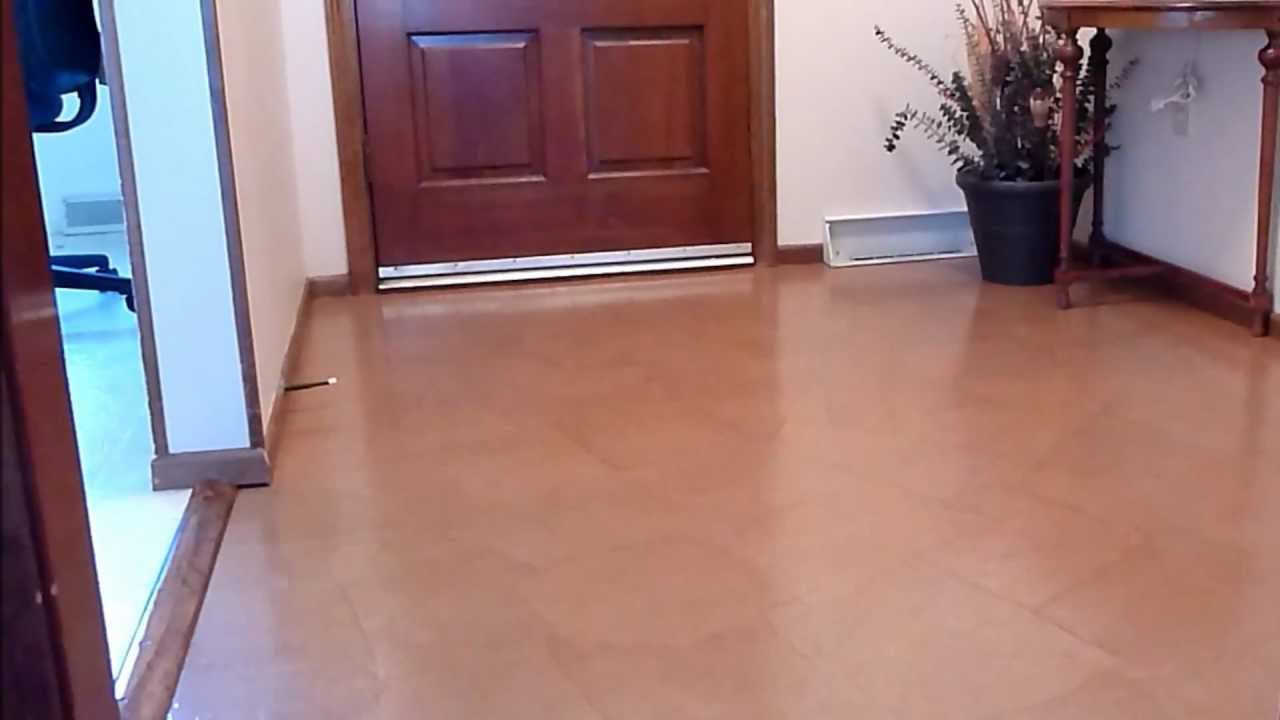
How about a papered floor! This can be done with a print...


... or even craft paper! What?


Its basically decoupage from the days of old on a grander scale! You can stain (or tint) individual pieces of paper, paper grocery bags, magazines, pictures, maps, or fabric… the sky is the limit. Tear whatever you use into pieces for the desired effect, seen above. Crumple and dip in a bowl of 50/50 glue & water. Spread on the floor and smooth out any bubbles. Apply several coats of polyurethane. Let it dry and enjoy your masterpiece!


We've talked about wood flooring today, but you can apply these same principles to concrete and other types of flooring. The methods of getting the floors you desire will be different, but with imagination and education you can have some gorgeous floors.


As always... AIVA Says: do your homework before diving into any do-it-yourself home improvement project! There is often more than meets the eye. And if you see a look you want but don't have the "want-to" to do it yourself, call us! We'll get it done for you at a price you can afford!

Until next week... AIVA


Wednesday, October 15, 2014

Liven up your living area for less!


Love where you live! Some of us, during the fall and winter seasons, spend a lot of time in the house. Even if you live in a part of the country that is warm all the time and you can go outdoors more often, we all need to liven up our living areas from time to time. We've found some great ideas you can use to bring some new life to your living areas for less, whether you rent or own!

Redecorate with what you have! 
Craft an instant end table or unique stand with a stack of your favorite books. Not only does it look inviting, but gives you a warm memory every time you see one of your favorite reads.


Use vintage bottles, vases and jars to bring some pizzazz to your mantle.
Use flowers, wrap your glass goods with twine or use paint to color.
Mix in a bold accent—like a zebra print or a bright color—to add some contrast to a low-key sofa. Mix in a bold accent―like a zebra print―to add some contrast to a low-key sofa.


Bring in the sunshine.
You can purchase cafe curtains and rods fairly inexpensively. Using a cafe rod allows the sunlight to shine through the top of the window.
Update wall decor with fun surprises.
Purchase teardrop vases like these for as low as $5.95. Don't have access to fresh flowers? You could use colored-stones, colored water or simply display as is!


Add a few reflective surfaces to make a plain room look brighter and larger
Use the mirrors to decorate walls, tables and other glass goods to bring light to certain areas.


Add color!
If you can’t paint your walls, paint an old piece of furniture to bring a pop of color and life!


Use lighting!
Give your room a boost with fun, decorative lamps that bring light and character. Lamps like this one from IKEA cost as little as $15!


Thank you to Today.com for content.

Wednesday, October 8, 2014

Green Cures All Your Winter Blues - The Best Ways to Use Plants in Your Home

With the temperature suddenly dropping like a stone, we can no longer plausibly deny that fall is upon us. But if, like me, you dread those winter months being stuck inside, there is good news:

PLANTS!


Indoor plants boost morale, productivity, concentration, and creativity. They reduce stress, fatigue, sore throats and colds. Plants improve air quality, absorb toxins, produce oxygen and humidify that dry winter air. And most importantly for our purposes - they look great! They improve the aesthetic of any space and soften the sterile indoors.

But if you are thinking, "Yes, Linda, but I have a black thumb and have killed every plant that has ever been unlucky enough to come into contact with me," I have more good news:

We are not only going to talk about how to use plants to beautify your home and create a serene reprieve from all those gray skies, slushy sidewalks and bare branches looming in our future BUT we are also going to talk about the 10 best houseplants for natural born plant-killers like yourself.

Talk about a Win-Win! So let's start with -

Using Houseplants in Your Decor


Re-purpose old goblets, chipped enamel mugs, or other charming containers as planters.
 
Keep fresh herbs close at hand in your kitchen to enjoy them all year round

Look for unique vessels for your plants, like a re-purposed light bulb
or this cool glass bulb your little plants 


Go all out - Fill a corner or a whole room with a lovely little potted garden
Or keep it simple and subtle with little splashes of green here and there.
So there's a little spark for your creative plant inspiration :-)

Now for those of you who are looking at these pictures and remembering all the plants you've killed, Here are the Top 10 Easiest Houseplants to care for.


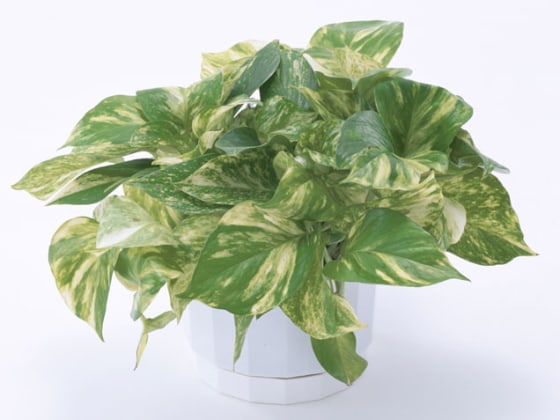
POTHOS
Why you want it: First of all, this indoor plant has an air-purifying quality that can absorb and strip toxins like formaldehyde from materials in the home like carpet. How neat is that? It has trailing stems and works well in a hanging basket or as a climbing plant with some training onto a trellis or whatever object you like that will support it.

How to care for it: This indoor house plant can produce stems that trail eight feet or longer, so just cut them back when they get too long and your plant will continue to look full and healthy. It can thrive in an array of lighting conditions, but low light may diminish the leaves' variegation. Allow soil to dry somewhat between watering. Pothos does well in an array of normal room temperatures.

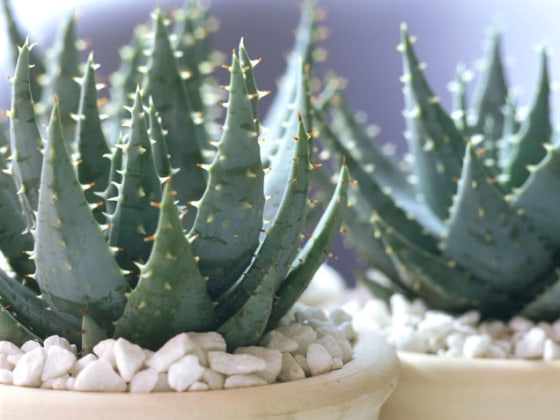
ALOE
Why you want it: This succulent with long pointed leaves has medicinal properties you probably well know from product labels. It can grow three feet high for big impact indoors. Smaller varieties like the popular aloe vera, work great in small, sunny indoor spaces.

How to care for it: Aloe likes room temperatures around 70 degrees and a lot of sunlight. As you might expect for a succulent, this indoor house plant prefers dry soil, so avoid frequent watering for the best result.

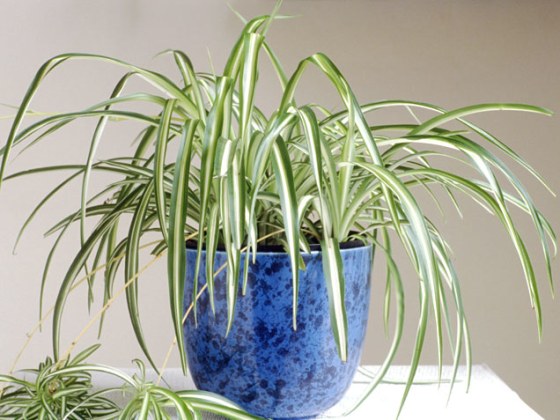
SPIDER PLANT
Why you want it: These unusual-looking indoor plants add visual interest to a room, and they haven't fallen out of fashion after years of popularity in the home. Spider plants come in a number of varieties, and work well as hanging plants.

How to care for it: Spider plants do well with evenly moist soil and bright or medium lighting conditions. Room temperatures of 60 to 75 degrees keep them thriving.

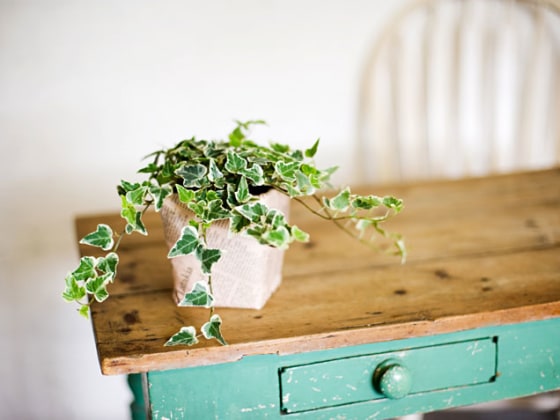
ENGLISH IVY
Why you want it: There's a real timeless elegance to ivy, and it trails down furniture for a pretty effect. Plus, it's super easy to start a new plant for yourself or a friend by cutting a section of the stem. Instant hostess gift! (OK, not really instant, but give it just two weeks or so.)

How to care for it: English Ivy likes moist soil and cooler room temperature conditions, ranging from the mid-50s to about 70.

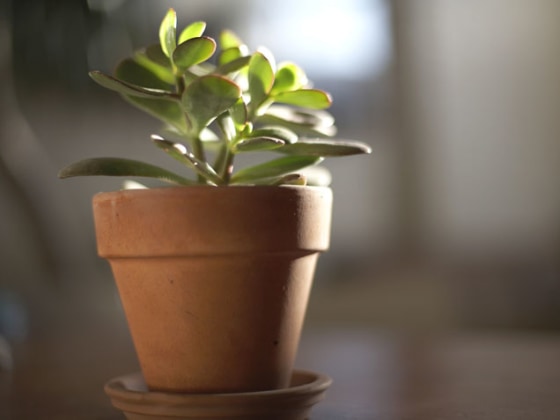
JADE PLANT
Why you want it: For those who love the look of a succulent—not to mention the ease of care—a jade plant offers thick, lush leaves and visually interesting branches. It grows slowly and has the potential to live from your kids' birth until their high school graduations— at least! It also looks great in a pretty pot when paired with other succulent varieties.

How to care for it: Jade plant does not require a lot of water, so keep soil somewhat dry. It prefers bright light and ordinary room temperatures.

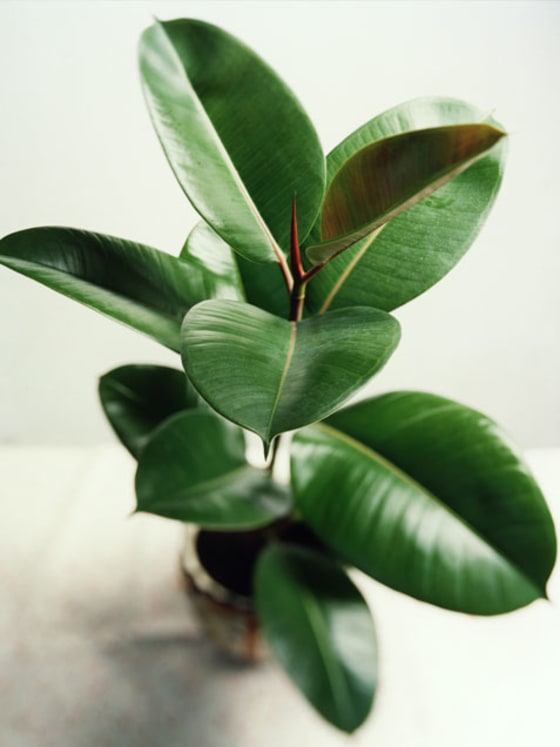
RUBBER TREE
Why you want it: This easy-to-grow indoor house plant will grow into an eight-foot-tall tree for a major pop of greenery in a room. If you prefer a smaller plant, just make your rubber tree into a shrub shape by pruning any long stems. The dark green leaves have an attractive shine to them.


How to care for it: Allow the surface of the rubber tree's soil to dry out in between watering. It thrives in lighting conditions from medium to bright, and a range of room temperatures between about 60 and 80.


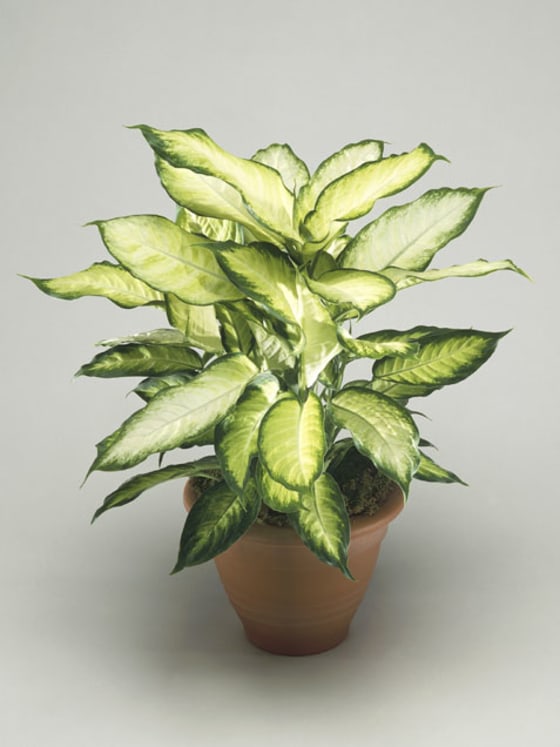
DIFFENBACHIA

Why you want it: The leaves of this pretty indoor plant can grow to a foot long, and provide a tropical-looking accent to home decor. The whole plant can grow six feet high for a cheery room focal point.

How to care for it: Diffenbachia thrives in normal room temperature not colder than the mid-60s. Keep the soil evenly moist, and provide medium or low lighting conditions for the best result.


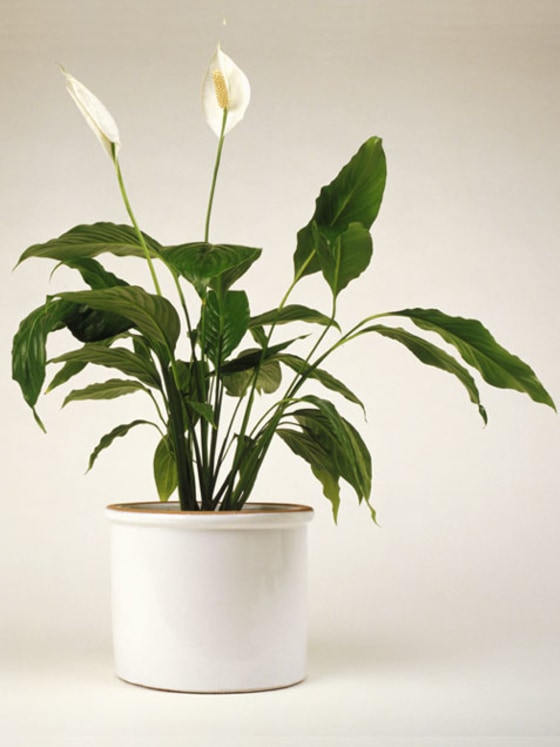
PEACE LILY
Why you want it: Surely you've seen this indoor house plant in many homes, since it has such pretty, curving white blooms and dark leaves—and it's super easy to grow.


How to care for it: This house plant favors low humidity and also low light, making it great for rooms with few windows. It prefers moist soil throughout the pot and tolerates standard temperatures ranging to about 85 degrees.


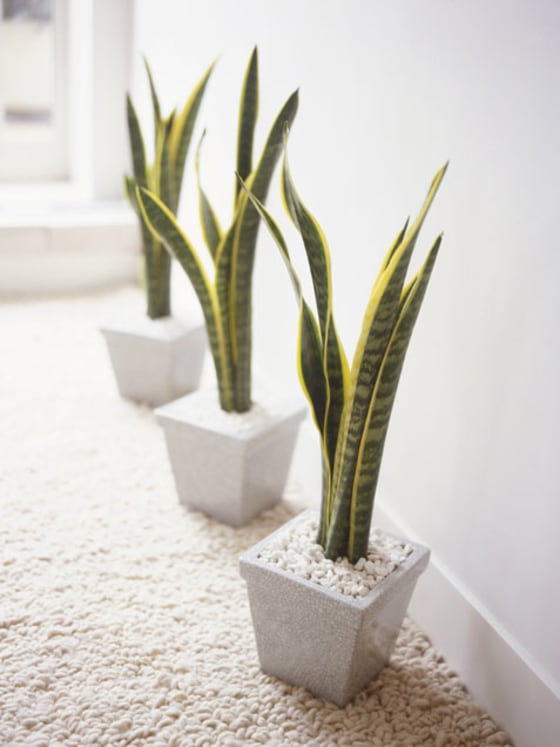
SNAKE PLANT

Why you want it: It doesn't get much easier than this indoor house plant—also sometimes known as mother-in-law's tongue! It has variegated leaves that grow upright, and some varieties' leaves have yellow or white edges. It has small white flowers that bloom only rarely.


How to care for it: This indoor plant grows well in a whole range of lighting conditions. The air should be somewhat dry, as should the soil. Any normal room temperature should suit it just fine.


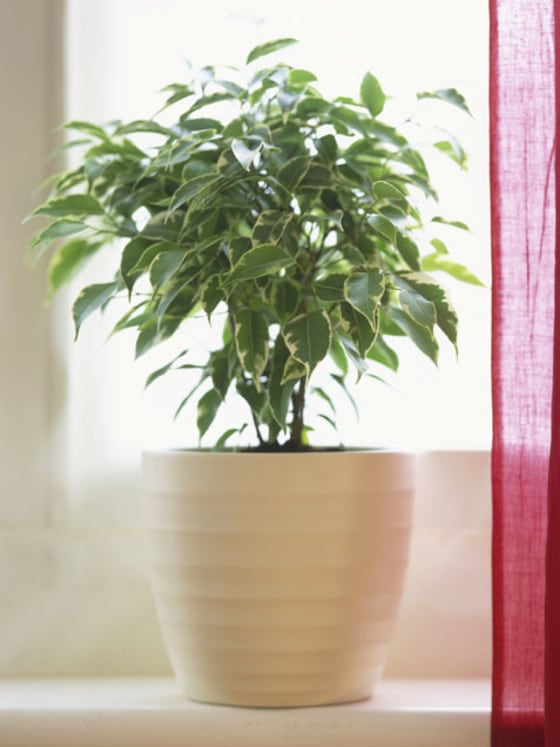
FICUS
Why you want it: This indoor tree has shiny leaves to add cheer to any indoor space. Its stems can be braided for a tidy topiary effect we love.


How to care for it: This tree likes full sun, or at least bright filtered light. Most varieties (there are about 800!) prefer several days of dry soil in between thorough watering. Room temperatures between 65 to 75 degrees work best.


Plants make every space better. With these great tips and ideas, you can create your own little indoor paradise to enjoy throughout the winter and all year round.


Thank you to Today.com for content.